Gasp
GASP! The easiest part of the golf game; the pre swing, and it's very important. You don't need to be athletic for this part. Piece 1 is GASP, Piece 2 is the…
GASP!
The easiest part of the golf game; the pre swing, and it's very important. You don't need to be athletic for this part. Piece 1 is GASP, Piece 2 is the horizontal move of our core and Piece 3 is the vertical portion, or top, of the swing. We've covered the 2 and 3 portions in earlier blogs to direct golfers as to what they must do physically to perform a basic and proper golf swing. Let's get going with GASP.
G is for the grip, A is for alignment, S is for stance and P is for position of the ball within the stance. This is my acronym, all successful golfers have a similar pre swing system for their pre swing routine.
Grip is probably the most difficult. If you are a right handed golfer, the left hand sets on the grip top and right hand under the left. The left fits on top of the grip in a position that will expose at least two knuckles. Depending on personal style and ball flight shape, some players show three or even four knuckles. Palm of the right hand faces that of the left which places it in a "hand shake" position. The reason I earlier stated the grip is the difficult part of GASP is that it is uncomfortable, giving a golfer the feeling of insecurity and lack of control. That's the plan! We do not control the club, we release the club as we do when throwing a ball. Without release, there is no solid contact and certainly no true power.
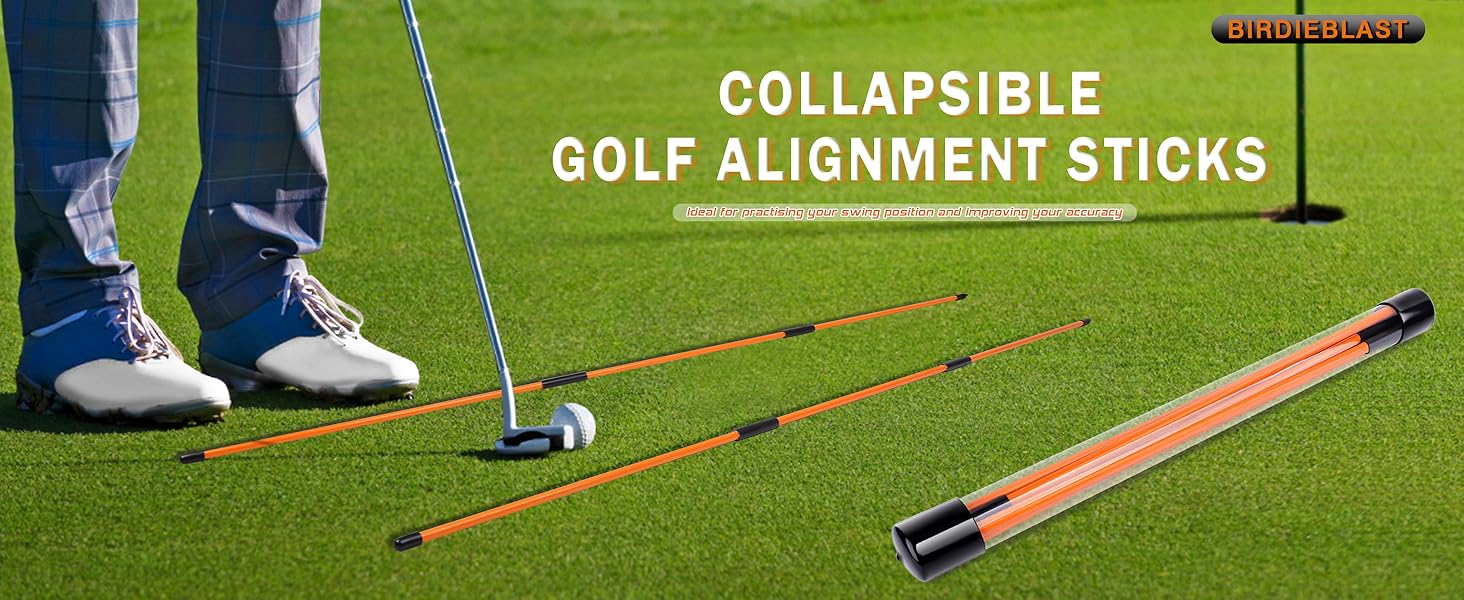
Alignment is next. The club, your rifle, must aim down the anticipated ball flight line. As golf professionals we literally set up directional sticks, (railroad tracks) when we practice. You'll see golf pros routinely using them at the practice range on TV. Simply stated, the club aims down that line and the players stands on the left track. Obviously the track gauge widens as the club gets longer. Many golfers do not like the feeling of aligning themselves left of the target, but that is the proper setup.
Stance is easy: stand at full height with an erect spine, a straight line from tail bone to top of the head. Now you bend forward slightly at hips which pushes your butt out just a little. Keep your head up, it does not bend over eliminating the straight back and causing what golf pros call turtle back. When you tilt slightly forward, your arms swing out a touch from your body. Now you have created the spine angle often referred to by pros. Your hands should be situated about one hand's width from your hips.
Position of the ball within your stance. Most golfers have been instructed to position the ball opposite your left heel. Often that is correct, but not always! We like constant factors in golf, not variables. Good players implement the constant factors of which there are 3. Poor players do not avail themselves of the constants and unknowingly choose the variables. One of the constants is ball positioning in the pre swing. Rather than left heel, choose left groin, heart or head behind ball, over the clubhead. These are repeatable positions. Of course if the lie is unusual, obstacles force radical shot shaping or other conditions prevail, we must adjust the ball position.
Employing these four pre swing ingredients into your setup will guarantee better accuracy and shot predictability, which is the essence of good golf.
New lesson bookings at The Golf Place are currently paused.
Keep reading
Release
When golfers speak of release during a golf shot, they normally mean one of two moves: either release of hands or transition of weight and uncoiling of…
Swing plane
Many golfers do not really understand swing plane. I am not going to explain what swing plane is in this blog, but I am going to address what it is…
Up, Down, Up, Up!
In terms of swing thoughts, this may be a good one: Up, Down, Up, Up. When the shoulders turn and arms go up on the backswing, that is up one. Down…